

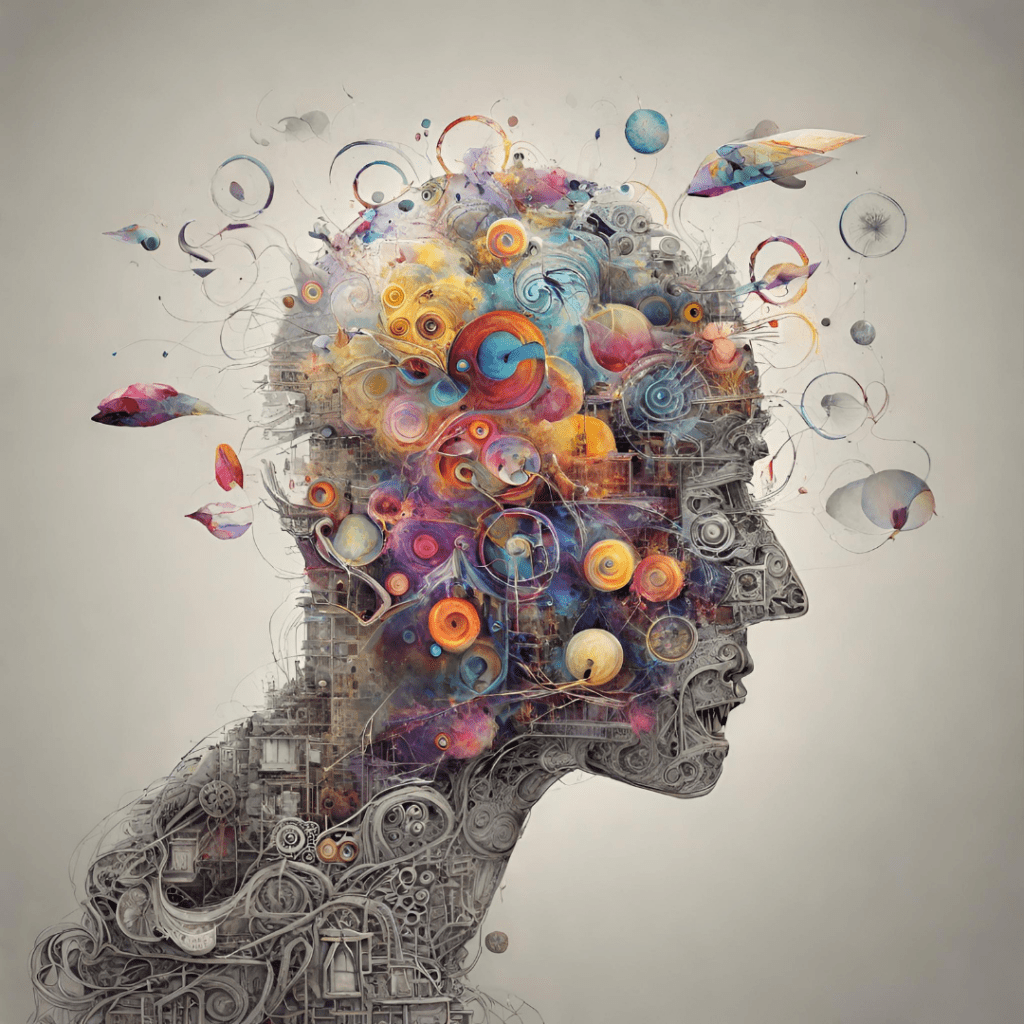
It has been few weeks or months since you have watched this movie you really liked, and till date you recall your favourite scene from that movie and even the dialogues and few details are still alive. This might have happened many times, but have you ever wondered why? Sure, it’s because that’s how memory works. But why do some things impact you so much that you don’t have to put much effort to remember the details, and some things just fade away in a moment’s notice? It seems as if these memories never left but persisted somehow.
There are times when you think consciously and in those times, you are in control. Then there are times when some thoughts come to your mind without any voluntary effort. But there’s a third category where thoughts, voluntary or involuntary, persist for some time, before fading away.
You might have heard about Persistence of Vision. It’s a phenomenon in which you continue to see the object for a short period of time even after it has moved away or disappeared from your line of sight. The vision seems to persist for some time even when the underlying object has moved away. This leads to overlap of two or more visual stimuli to perceive them as one single event. In a way, it’s like an optical illusion except that this one keeps happening continuously, throughout your life. Without persistence of vision, life would have been a lot different, a bit weird and boring. Thanks to this marvelous phenomenon of optics that you are able to comprehend close-interval individual events like a continuous movie playing before your eyes. This has led to the invention of motion pictures and animation.
Although the idea and real life experience of persistence of vision seems interesting, do you think the same happens to your thoughts as well? Have you ever been stuck with the same thought for long time? Take the example of the movie theater again, but this time let’s go back in time to the day when you watched it. You came out of the movie theater and still have that vibe all over you – the hallucinations or visions coming alive in your mind from the cut scenes of the movie. These were probably the scenes that had an influence over you in some way. Just like persistence of vision, these thoughts seem to linger for a short duration even after the stimulus has been removed. You had just experienced the Persistence of Thought.
The question is: Why does this happen to you? Is it helping in some way or making your life easier? Before experiences transform into memories, thoughts and emotions at that very moment define if it’s going to be a good memory or a bad one. Either way, the intensity of the overall experience leads to thoughts being persistent or volatile. Think of experiences as a lump of wet clay used to build a pot, and thoughts are your hands that help shape this pot. When dried and heated, this lump of clay turn into memories, in the shape guided by these thoughts. Some pots may be disfigured, some may be perfect, and some may still need a bit of work, but they are all yours. The reason why some of them keep coming back might be because they demand some action still needed to be done. Some kind of closure might be long overdue or some task pending completion.
When you recall some of the key moments in your life that had an influence over you, try to remember what thoughts shaped these memories. Good or bad, they helped you learn and grow. But take caution not to let the thoughts persist for too long, as they have the tendency to linger into the deeper walls of your mind, and are seldom difficult to let go. Take control of what passes through your mind by being an active observer. It is only when you “know” what you are thinking, will you be able to choose consciously – to keep it or let it go.
 My Mind's Journal
True persistent thoughts exists some for good and some keeps us lagging. Great Article for one to understand how to observe thoughts wisely.